

A graduate of both the Ecole des Mines de Paris and the World Maritime University in Malmö, Mohamed Cissouma is a qualified and experienced expert in the fields of marine surveying, study evaluation, maritime navigation, electricity, and automation. As a naval expert, he is responsible for evaluating and approving ship designs, ensuring that they meet all applicable safety and regulatory standards.
He is also responsible for certifying navigation equipment and onboard systems. As his company's global expert on navigation issues, he is involved in drafting international regulations on these matters. He is currently Deputy Head of Maritime Operations for IMEA Zone (India, Middle East & Africa) at his company. He therefore manages a fleet of around 3,500 ships.
In addition to his work in the maritime industry, Mohamed is also a respected association leader. He has extensive experience in organizing and leading teams and is known for his ability to bring people together to achieve common goals. He recently founded the Institut Francophone d'Economie Maritime (IFEM), whose mission is to promote a sustainable maritime economy, strengthen maritime safety, and contribute to economic growth in the French-speaking world.
With his diverse skills and leadership experience, Mohamed is a valuable asset to any organization. He strives for excellence in all his activities and is always looking for new opportunities for learning and development.
Professional Experience· 6
Deputy Head of Marine Operations - IMEA Zone (India, Middle East & Africa)
BUREAU VERITAS
2024-Présent
Supervision of statutory and system certifications, technical support to regional units, and coordination or performance of internal audits
EHS Engineer
EDF
2017-2028
Environmental risk management and facility safety
Chief Mate - Former 2nd Mate
NOLIS
2016-2027
Supervised navigation operations, reports, equipment, supplies, maintenance and resources of the ship.
Marine Surveyor/Design Assessment - Former HSE Consultant
BUREAU VERITAS
2020-2024
Analysis of plans and test reports, drafting of certificates, technical support for BV inspectors, and certification of onboard systems in accordance with current standards.
HSE Consultant
BUREAU VERITAS
2018-2020
Risk management and environmental safety at the EDF site in Jarry Nord: development of prevention plans, regulatory assessment, safety coordination, and handling of non-compliance issues.
Officier
HYPROC SHIPPING COMPANY
2012-2013
Navigation and Safety
Education· 4
Maritime Management
World Maritime University
Master's degree, Industrial Risk Management
Mines Paris
Ingénieur en navigation - Capitaine
École Nationale Supérieure Maritime
Bachelor, Mathématiques et Informatique
Université De Cocody Abidjan
Awards & Honors
Who's Who Côte d''Ivoire
2025
Prix Marie L'Or d'Ivoire
2024
African Ambassador for Solutions
2023
Major de Promotion Ingénieur Capitaine Au Long Cours - Algerie
2014
Affiliations· 2
ELIT
Founder and President
Institut Francophone d'Economie Maritime (IFEM)
Founder
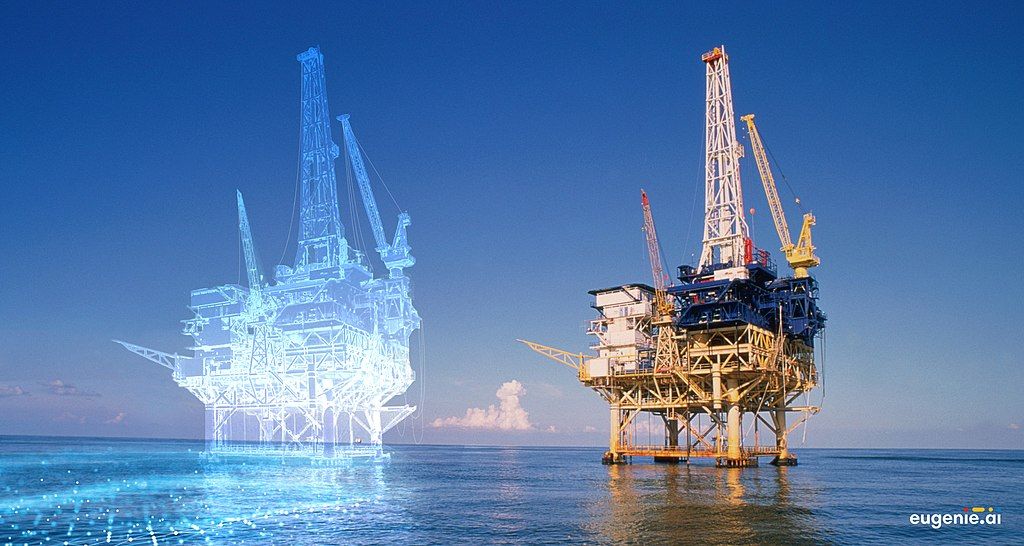 When the sea doubles : digital twins take on the waves
Digital twins in the maritime world Key insights Digital twins transform the sea into a data space where each ship, each port, now has its virtual reflection Their use reshapes the contours of navigation, maintenance, and decarbonization, making the virtual a strategic partner of the real By linking data, artificial intelligence, and simulation, they offer unprecedented predictive control, capable of anticipating failures or optimizing maritime routes But their power relies on a fragile substance: the reliability of the information that feeds them and the robustness of the models that animate them Behind the digital mirror, human and ethical questions remain: who governs these digital doubles, who guarantees their security, and how far can we delegate decision-making to the machine? A digital twin is a virtual representation of a real object, system, or process. It is created using real-time or historical data, mathematical models, and algorithms to simulate the behavior and characteristics of the real object. The digital twin can be used in various fields such as manufacturing, engineering, healthcare, transportation, etc. It allows monitoring, predicting, and optimizing the performance of the real object by providing accurate and real-time information about its state, operation, and environment. Digital twins offer three major advantages: cost reduction, improved safety, and reproducibility. They can be used to predict scenarios, but also serve to train people safely. In the maritime field, digital twins have multiple use cases that we will discuss throughout this article. Digital twins can be used to monitor and manage different aspects of ships, ports, and maritime operations. Here are some examples of digital twins that evolve over time and reflect the changing state of their physical counterparts in the maritime industry: Monitoring ship performance : Digital twins of ships collect real-time data on parameters such as speed, fuel consumption, engine performance, and environmental conditions. By comparing the performance data of the digital twin with the physical ship, operators can optimize energy efficiency, predict maintenance needs, and ensure compliance with environmental regulations. We present this practical example: A case of digital twin for real-time routing of ships taking into account regulatory compliance regarding decarbonization. In this example, digital twin technology is used to facilitate real-time assessment of regulatory compliance regarding decarbonization in ship routing. This approach focuses on real-time monitoring of the carbon emission intensity of ships and identifying potential strategies to mitigate operational risks related to decarbonization goals. By leveraging up-to-date environmental and operational data, the digital twin approach enhances the accuracy of estimating the likelihood that a specific ship will comply with regulations throughout its journey. This example offers a proactive and data-driven approach to support the maritime industry's decarbonization efforts. Management of port operations:From the data of the digital twin, we can monitor port operations, including ship traffic, container movements, and berth utilization. As the port experiences changes in ship arrivals, cargo volumes, or infrastructure improvements, the digital twin adapts to reflect the changing conditions. This allows for real-time resource optimization, efficient berth allocation, and improved logistical planning within the port. Here is a practical example: A digital twin-based approach to optimize energy consumption during automated container handling operations. This approach proposes using digital twin technology to optimize the energy consumption of an automated stacking crane (ASC) involved in container handling operations. The approach involves developing a virtual area of containers that synchronizes with the physical area of containers in the digital twin system in an automated container terminal, for observation and validation purposes. A mathematical model is then established to minimize the overall energy consumption required to accomplish all tasks. Digital twins based on artificial intelligence techniques. Building a digital twin using artificial intelligence (AI) techniques may be more appropriate in the following scenarios: High complexity: AI can be beneficial when dealing with very complex systems that involve many interactions and interdependencies. By using AI, it becomes possible to model and simulate these complex interactions more accurately. Heterogeneous data: When data from diverse sources with varying formats, structures, and resolutions are needed to build the digital twin, AI can effectively process and integrate this heterogeneous data, referred to as multimodal models. Dynamic adaptation: If the real system requires real-time adaptation based on changing environmental or operational conditions, AI enables the digital twin to make decisions autonomously and adjust its parameters accordingly. We propose this practical example: Digital twins in intelligent transportation systems Traffic management in urban areas and high-traffic maritime zones remains a major concern. Traditionally, control centers have been used to address these challenges, but they now require modernization through the incorporation of digital twins and artificial intelligence (AI). The implementation of intelligent transportation systems (ITS) offers a solution to the main problems encountered in transportation networks while facilitating their development. By using digital twins with the ArchiMate modeling framework, we can optimize the distribution of traffic flows in the network over time and space. The Limitations of Digital Twins… Digital twins have gained attention and popularity across various industries, offering the potential to enhance design, simulation, and analysis capabilities. These virtual replicas of physical assets enable real-time monitoring, predictive maintenance, and performance optimization. However, like any technological advancement, digital twins also have their limits, both in theory and in practice. In this section, we will explore the disadvantages and potential challenges associated with digital twins, highlighting specific examples where these limits have been observed in real-world scenarios. By understanding these limits, we can gain a comprehensive perspective on the benefits and considerations of using digital twins in the maritime world. Data accuracy and reliability: The effectiveness of digital twins heavily depends on the accuracy and reliability of the data used to create and update them. Incomplete, outdated, or inaccurate data can lead to discrepancies between the digital twin and the real system, impacting the reliability of predictions and analyses. Model complexity and assumptions: Developing an accurate digital twin often requires simplifications and assumptions about the real system. However, these assumptions do not always hold true in practice, leading to disparities between the digital twin's forecasts and the actual behavior of the system. Computational requirements: Implementing and maintaining a digital twin may require significant computational resources, especially for complex systems or advanced simulation techniques. This requirement could limit scalability and accessibility, particularly in environments where resources are constrained. Additionally, ship connectivity at sea requires a satellite system to ensure good data frequency. The three aforementioned limitations can be illustrated by the example below: “The use of incomplete or misused data can have serious consequences. A concrete example of this situation occurred during the crash of two Boeing 737 MAX airplanes. It appears that digital twins were used during the construction process to make modifications to these planes. However, it is possible that a divergence between the data used in simulations and the real data contributed to these accidents.” Integration challenges: Integrating data from diverse sources and systems to create a complete digital twin can present difficulties. The diversity of data formats, standards, and protocols between systems requires complex and tedious data integration processes. Cost and time considerations: Creating and maintaining a digital twin incurs significant costs, including data acquisition, sensor deployment, software development, and ongoing maintenance. Furthermore, collecting, processing, modeling, and validating data is time-consuming. Privacy and security concerns: The real-time data capture and analysis involved in digital twins raise privacy and security issues. Protecting sensitive data, ensuring privacy, and safeguarding against cybercrime are all factors that must be considered in the design of digital twins. Human factors and expertise: Although digital twins provide valuable insights, human interpretation and expertise are essential for drawing meaningful conclusions and making informed decisions. The human element is crucial for understanding context, interpreting results, and applying domain knowledge to fully leverage the potential of digital twins. It is important to note that specific limitations may vary depending on the application and implementation of digital twins. Difficulties may arise when integrating data from disparate sources, managing existing systems lacking standardized interfaces, or handling large volumes of real-time data. Furthermore, issues related to data quality, sensor reliability, and the need for continuous calibration and maintenance can impact the accuracy and effectiveness of digital twins in practice. Digital twins can enable operators to monitor and control ships remotely, optimize performance, predict failures, and make informed decisions in real time. Automation based on digital twins also offers the possibility of reducing reliance on human labor, increasing operational efficiency, and minimizing the risk of error. Smart ships thus represent a new era in the maritime industry, opening the door to smarter, safer, and more sustainable operations. References Diego M. Botín-Sanabria, Adriana-Simona Mihaita, Rodrigo E. Peimbert-García, Mauricio A. Ramírez-Moreno, Ricardo A. Ramírez-Mendoza, Jorge De J. Lozoya-Santos (2022). Digital Twin Technology Challenges and Applications: A Comprehensive Review, Remote sensing,14(6), 1335.https://doi.org/10.3390/rs14061335 Dimitrios Kaklis, Iraklis Varlamis, George Giannakopoulos, Takis J. Varelas, Constantine D. Spyropoulos. Enabling digital twins in the maritime sector through the lens of AI and industry 4.0. ELSEVIER B.V. Volume 3, Issue 2, November 2023, 100178.https://doi.org/10.1016/j.jjimei.2023.100178 Michaela Ibrion1, Nicola Paltrinieri and Amir R. Nejad (2019). On Risk of Digital Twin Implementation in Marine Industry: Learning from Aviation Industry, Conference Series, Volume 1357.https://iopscience.iop.org/article/10.1088/1742-6596/1357/1/012009 Mr. Volker Bertram, DNV, 2023-EMM-402 Safe Shipping – Safety and Technology, World Maritime University. Qikun Wei, Yan Liu, You Dong, Tianyun Li, Wei Li. A digital twin framework for real-time ship routing considering decarbonization regulatory compliance. ELSEVIER B.V. Volume 278, 15 June 2023, 114407.https://doi.org/10.1016/j.oceaneng.2023.114407 Rudskoy A, Ilin I, Prokhorov A (2020). Digital Twins in the Intelligent Transport Systems, ELSEVIER B.V. Volume 54, 2021, Pages 927-935.https://doi.org/10.1016/j.trpro.2021.02.152 Yinping G, Daofang C, Chun-Hsien C (2023). A digital twin-based approach for optimizing operation energy consumption at automated container terminals. ELSEVIER B.V, Volume 385, 135782.https://doi.org/10.1016/j.jclepro.2022.135782
15 Oct 2025MaritimeTechnologyInnovation When the sea breaks free from mankind: the silent odyssey of unmanned ships
Imagine yourself on a crewless ship: Smartships Key insights Smartships symbolize a new maritime era, where technology redefines the boundaries of the possible and questions the role of humans at sea The absence of crew poses major legal and ethical challenges, particularly regarding responsibility in the event of an accident or pollution Increased automation threatens to disrupt the maritime labor market, already weakened by digitization and job outsourcing Data security and cybersecurity become top priorities, as a ship without a captain remains vulnerable to cyberattacks Behind the technological prowess, maritime sovereignty is at stake: who controls, monitors, and protects these invisible fleets? One might think it's a science fiction fable, yet this world is already here. White hulls glide over the waves without a captain, piloted by algorithms capable of avoiding storms, adjusting their trajectories, and optimizing every movement. These next-generation vessels, called crewless ships or smartships, embody an unprecedented technological feat. Designed to navigate without direct human intervention, they rely on a network of sensors, cameras, intelligent software, and advanced communication systems that allow them to perceive their environment, analyze marine data in real time, and make autonomous decisions with millimeter precision. Far from ports and lighthouses, the sea becomes a digital territory where data replaces maps and satellites watch in place of sailors. These so-called autonomous ships promise efficiency, safety, and cost reduction, but also raise dizzying questions about responsibility, safety, and maritime employment. What happens to the role of humans when the machine takes the helm? The question is not only technological; it is philosophical, social, and deeply political. The advent of these intelligent ships marks a turning point in maritime history. By combining artificial intelligence, automation, and global connectivity, they redefine the contours of contemporary navigation. The industry sees it as an opportunity to reduce operating costs, improve operational safety, and limit polluting emissions. However, this transformation does not unfold without bumps. It requires a complete rewriting of maritime codes and an adaptation of mindsets to the idea of an ocean governed by algorithms. The laws of the open sea: regulation seeks its course One of the first pitfalls lies in regulation. International maritime law still relies on the presence of a captain on board and the direct responsibility of the crew. However, how do we define fault or responsibility when a decision is made by an autonomous system? Should we consider the software designer, the shipowner, or the operator on shore? The sea, a space without borders, also becomes a space without legal precedent. Invisible storms: security put to the test by the digital age Like the regulatory imperative, autonomous ships must be equipped with sophisticated protection devices to prevent collisions, avoid natural hazards, and counter cyber threats. Cyber hacking represents a new form of piracy where the enemy no longer wields a saber, but a code. In addition, there are the classic risks of fire, physical piracy, and search and rescue operations at sea. Security, whether digital or human, remains the keystone of this maritime revolution. Seafarers facing the machine: reinventing maritime professions The rise of autonomous ships is disrupting the role of sailors. Fewer in number on board, they will need to acquire new skills focused on system maintenance and remote operation supervision. Maritime expertise is transforming, shifting from mastering wind and sails to mastering algorithms and interfaces. The sea remains a space for learning, but the tools of the 21st-century sailor will no longer be the same. The code and the compass: when artificial intelligence takes the helm Despite these challenges, the maritime industry is making the shift towards autonomous ships.Companies such as Rolls-Royce, Kongsberg, and Wärtsilä have already launched autonomous ship projects, and major shipping companies are beginning to invest in this technology. On the other hand, some classification societies have established additional notations for ships. These notations help identify the degree of autonomy of the ship for a specific system. For example, at Bureau Veritas, the degree of automation (table 1) is defined as the degree of decision-making that has been transferred from humans to the system. Thus, a system is said to be A0 when humans make all decisions and control all functions of the system, and on the other hand, a system is A4 when it invokes functions without informing the human, except in emergencies. The system does not wait for confirmation; the human is only informed in case of emergency. Hence the autonomous ship. Autonomous ships operate based on smart systems. These systems are digital solutions designed to process ship data and promote sustainable, efficient, and safe operations. These digital solutions rely on two elements: a) The data infrastructure which allows for data collection, making it accessible to multiple consumers and maintaining control of data traffic. b) A software designed to fulfill a smart function optimizing the use of existing onboard systems using physics-based algorithms, data, and hybrid models. It is time to envision a future where crewless ships sail in harmony with the ocean, where technology aligns with nature to reduce costs and risks. In this new world, sailors will have become the guardians of the digital realm, maritime laws will have evolved, and autonomous navigation will have transitioned from dream to daily reality. The crewless ship is no longer a myth of engineers, but a reality in the making, a promise of progress that compels us to rethink our relationship with the sea, technology, and humanity. Sources: Website L’unsine Nouvelle: https://www.usinenouvelle.com/editorial/rolls-royce-devoile-un-navire-de-patrouille-autonome.N587298 Website of Wärtsilä: https://www.wartsila.com/media/news/16-06-2020-wartsila-comes-onboard-the-mayflower-autonomous-ship-project-2728706 Website of Kongsberg: https://www.kongsberg.com/maritime/ship-types/autonomous-ships/ Report from the International Maritime Organization (IMO): https://www.imo.org/fr/MediaCentre/HotTopics/Pages/Autonomous-shipping.aspx University study on autonomous ships: https://www.sciencedirect.com/science/article/pii/S1876610217338008 BV NR675 - ADDITIONAL CLASS NOTATION SMART: NR675 Additional class notation SMART | Marine & Offshore (bureauveritas.com) BV NI 641 - GUIDELINES FOR AUTONOMOUS SHIPPING: NI641 Guidelines for autonomous shipping | Marine & Offshore (bureauveritas.com) BV NR 681 - UNMANNED SURFACE VESSELS (USV): 681-NR_2022-07_3006.pdf (veristar.com)
15 Oct 2025MaritimeNavalShip